

History of Grama Panchayat



History of the Grama Panchayat
In earlier times, the area of Puthuppady Grama Panchayat was under the control of various landlords. Regions such as Adivaram, Chippilithode, Churam, and Kaithappoyil were under the possession of Koyappathodi, while Manalvayal, Valliyad, and Mooppankuzhi were under Murukkan. Engapuzha, Kakkavayal, and Mailallampara were held by M.C. Pothan and M.C. Chandy, and the Malappuram region was in the possession of R. Marakkar Haji. During that period, the objective for many was logging valuable timber from the dense forests. Transported via roads and river rafts, these highland logs played a pivotal role in developing Kallai into a world-famous timber trading hub.
Subsequently, settlers began clearing forest land to cultivate paddy and tapioca. Landlords asserted their dominance over these cleared lands by establishing rubber and other plantations. The laborers brought in from regions like Malappuram and Palakkad for work were subjected to severe exploitation and hardship. The grievances of the workers living in the plantation areas on the left side of the Wayanad Road found resolution only after they organized under the leadership of the AITUC in 1958. For twelve years following 1958, the struggles between workers and estate owners became an integral part of this highland's history. Later, following the Agrarian Reform Act, remaining surplus lands were taken over by the government and distributed, providing land to the majority of ordinary people in the Panchayat. However, during this phase, the indigenous inhabitants—the children of the forest—were restricted to areas such as Parassery, Karimpilode, Ottakkara, and Payona.
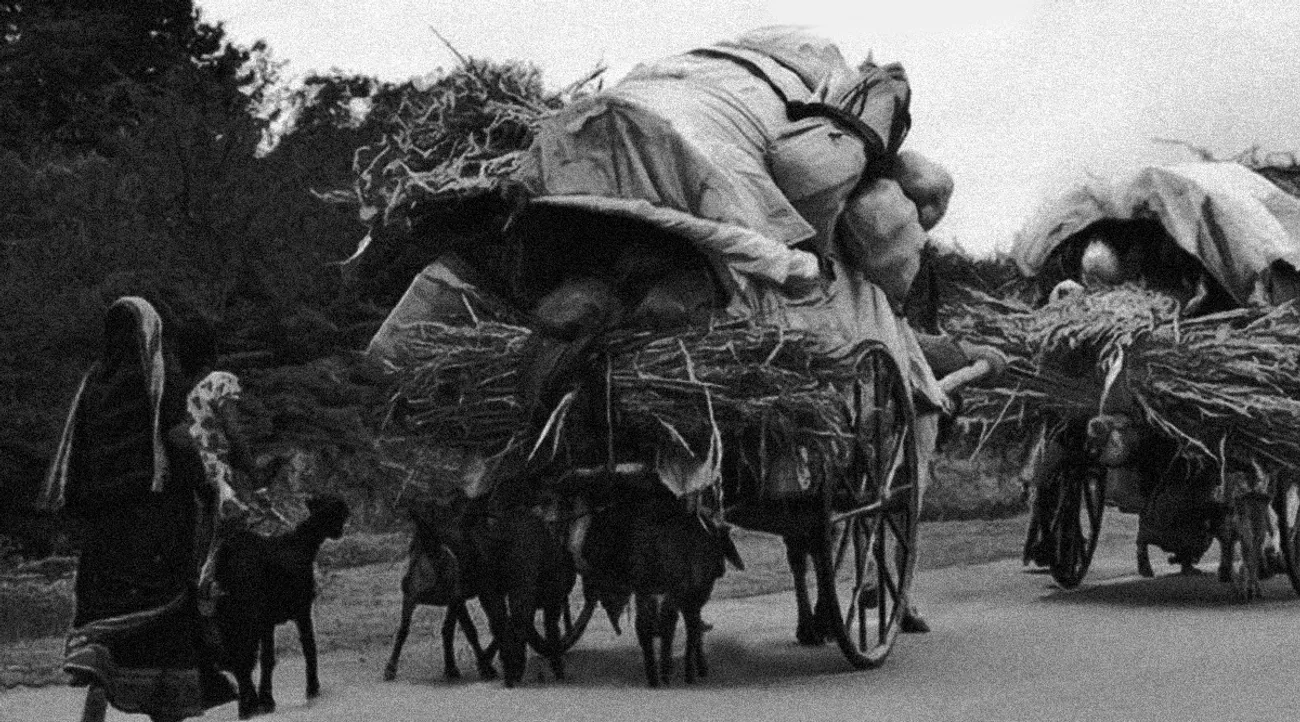
History of Thamarassery Churam: It was through these mountain passes, known today as Thamarassery Churam, that Tipu Sultan marched down the hills and Pazhassi Raja travelled to Wayanad. The current Churam road was constructed by the British to transport natural wealth; prior to that, it was merely a foot track used to carry spices on headloads and bullock backs. The legend of the tribal youth who guided the foreigner through this route and was subsequently shot dead, along with the 'Chain Tree' at Lakkidi where his soul was bound using a chain, remains an integral part of this history.
Puthuppady served as a transit hub for the British, who also imposed various restrictions on public life. The Puthuppady Village Office functions to this day in the historic Kacheri building from that era. Outer connections expanded significantly once vehicular traffic commenced through the Puthuppady Churam toward Wayanad, near the historic Odungakkad Makham, where Tipu Sultan is said to have led his military campaigns. The dreams of development for Puthuppady took flight through the joint efforts of migrating farmers from South and Central Kerala, laborers, and indigenous inhabitants. The Kozhikode - Mysore - Bangalore National Highway, which holds a vital position on Kerala's road map, passes directly through the center of this Panchayat.
Educational and Cultural History
Artifacts and ruins of several destroyed temples found in areas such as Ambakkandi, Chaliyakadavu, Kunjukulam, Kurumarukandi, and Kakkavayal dating back to before the 20th century indicate that people with a rich culture once lived here. Traditional art forms like Duffmuttu, Kolkali, and Udukku Pattu remain active in certain places even today. Prior to independence, there was no significant progress in education here; the first school was the Elementary School established at Kaithappoyil by the Malabar District Board in 1949 (now known as Puthuppady GMUP School). In 1950, St. Antony's School was established under the St. Mary's Catholic Church in Kannoth, and in 1951, NALP School was founded at Engapuzha under the Manamel Estate. Govt. High School Puthuppady, established in 1974, stands today as one of the schools with top academic standards in Kozhikode district.
Aimed at cultural progress, the first club in the Panchayat, 'Deepti Library', began operations in 1976. In the field of sports, Puthuppady has been able to contribute several talents of international and national repute.